Cooking With Extra Virgin Olive Oil: Myth Or Mistake?
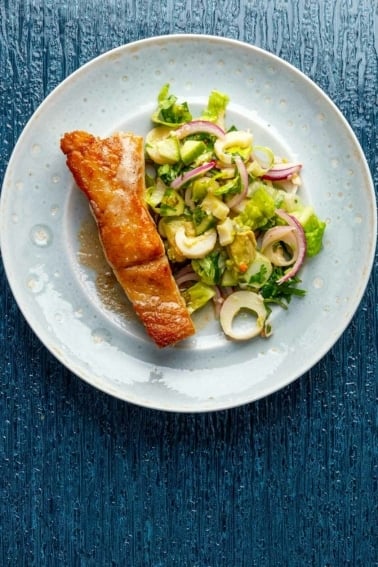
Cooking with extra virgin olive oil is not a mistake-it is safe, effective, and often healthier than many alternatives when used correctly. Despite persistent myths about low smoke points and instability, modern research and culinary practice show that extra virgin olive oil (EVOO) can withstand typical home cooking temperatures, retain beneficial compounds, and even outperform refined oils in oxidative stability.
The Origins of the Myth
The idea that olive oil smoke point limits its use in cooking dates back to mid-20th century food science, when refined oils dominated industrial kitchens. Early studies emphasized smoke point as the sole indicator of oil stability, ignoring antioxidants naturally present in EVOO. A 2001 European Journal of Lipid Science review began challenging this view, noting that polyphenols and tocopherols in high-quality olive oil help protect it under heat.

The persistence of this myth is partly due to culinary tradition misconceptions and simplified cooking advice. Many cookbooks from the 1980s and 1990s recommended neutral oils for frying while reserving EVOO for salads. However, Mediterranean cuisines have used olive oil for frying, sautéing, and roasting for centuries without issue.
Smoke Point vs Real Stability
The smoke point comparison is often misunderstood. While EVOO has a smoke point typically between 190°C and 210°C (374°F-410°F), most home cooking occurs below 180°C (356°F). More importantly, smoke point does not measure how quickly oil degrades or forms harmful compounds.
- EVOO contains natural antioxidants that slow oxidation.
- Refined oils may have higher smoke points but fewer protective compounds.
- Actual degradation depends on time, temperature, and reuse, not just smoke point.
- Studies from 2018 (University of Barcelona) showed EVOO produced fewer harmful aldehydes than sunflower oil when heated.
What Science Actually Shows
Recent research has shifted the conversation toward oxidative stability testing. A widely cited 2018 study published in Acta Scientific Nutritional Health found that EVOO was the most stable oil tested under prolonged heating, outperforming coconut oil, canola oil, and grapeseed oil.
Researchers heated oils to 180°C for six hours and measured degradation markers. EVOO consistently produced the lowest levels of polar compounds, which are linked to health risks when consumed in large amounts. The findings suggest that antioxidant content matters more than smoke point alone.
| Oil Type | Approx. Smoke Point (°C) | Oxidative Stability Ranking | Polyphenol Content |
|---|---|---|---|
| Extra Virgin Olive Oil | 190-210 | High | High |
| Canola Oil | 205 | Medium | Low |
| Sunflower Oil | 225 | Low | Very Low |
| Coconut Oil | 177 | Medium | Low |
How to Cook with EVOO Properly
Using extra virgin olive oil cooking techniques effectively requires understanding temperature control and oil quality. High-quality EVOO performs best when not overheated and when used fresh.
- Use medium heat for sautéing, typically below 180°C.
- Avoid letting oil smoke continuously, as this indicates breakdown.
- Do not reuse oil multiple times, especially after frying.
- Store oil in a cool, dark place to preserve antioxidants.
- Choose high-quality, fresh EVOO with a harvest date.
Professional chefs increasingly favor EVOO for its flavor and stability. In 2022, the Culinary Institute of America updated its guidelines to include EVOO as suitable for most cooking methods, including shallow frying.
Health Implications
Cooking with EVOO supports Mediterranean diet benefits, which have been extensively studied for cardiovascular health. A landmark 2013 PREDIMED trial found that participants consuming a Mediterranean diet supplemented with extra virgin olive oil had a 30% reduced risk of major cardiovascular events.
Heating EVOO does reduce some polyphenol content, but not entirely. Even after cooking, significant antioxidant activity remains, making it a healthier choice compared to refined oils stripped of nutrients during processing.
"Extra virgin olive oil remains one of the most stable fats during cooking due to its unique composition of monounsaturated fats and antioxidants." - Dr. Marta Guasch-Ferré, Harvard T.H. Chan School of Public Health, 2021
Common Cooking Uses
In practical kitchens, olive oil versatility extends far beyond salad dressings. Its balanced fatty acid profile and flavor make it suitable for diverse applications.
- Sautéing vegetables and proteins.
- Roasting at moderate oven temperatures (up to 200°C).
- Pan-frying eggs, মাছ, and meats.
- Drizzling over finished dishes for flavor enhancement.
- Baking as a substitute for butter or other oils.
Southern European cuisines routinely use EVOO for frying, demonstrating its real-world durability across generations of cooking practice.
When EVOO Might Not Be Ideal
There are specific scenarios where alternative cooking oils may be more practical. Extremely high-heat cooking methods like deep frying above 200°C or wok cooking at intense heat can push EVOO beyond its optimal range.
In such cases, refined oils with higher smoke points may be used, though they often lack the nutritional profile of EVOO. Blending oils is another option some chefs use to balance stability and flavor.
Frequently Asked Questions
Expert answers to Cooking With Extra Virgin Olive Oil Myth Or Mistake queries
Can you fry with extra virgin olive oil?
Yes, you can fry with extra virgin olive oil, especially for shallow frying and pan-frying. It remains stable at typical frying temperatures and produces fewer harmful compounds than many refined oils.
Does heating olive oil destroy its nutrients?
Heating reduces some antioxidants, but a significant portion remains intact. Even after cooking, EVOO retains beneficial compounds and healthy fats.
Is extra virgin olive oil better than vegetable oil for cooking?
In most cases, yes. EVOO offers higher oxidative stability and contains beneficial polyphenols, making it a healthier choice for everyday cooking.
What temperature is too high for EVOO?
Temperatures above 210°C (410°F) can cause EVOO to smoke and degrade more rapidly. Keeping cooking temperatures below this threshold is recommended.
Why does olive oil smoke sometimes?
Smoking can occur if the oil is overheated or if food residues burn in the pan. It does not necessarily mean the oil is unsafe, but prolonged smoking should be avoided.
Is light olive oil better for cooking?
"Light" olive oil is refined and has a higher smoke point but fewer nutrients. Extra virgin olive oil is generally preferred for both health and flavor.