Cotton Poplin Stretch Uses You Never Knew Existed
Cotton poplin stretch fabric is used most often for structured yet comfortable garments such as shirts, blouses, shirt dresses, skirts, trousers, uniforms, and children's clothing because it combines the crisp look of poplin with a little added give for easier movement and a better fit. It is also popular for lightweight linings, sleepwear, and polished everyday wear when you want a fabric that feels breathable but looks neat.
What the fabric is
Cotton poplin is a tightly woven fabric with a smooth surface and a crisp hand, while the stretch version adds a small amount of elastane or similar fiber to improve comfort and flexibility. That blend preserves the clean, tailored appearance designers like, but it also helps fitted pieces move with the body instead of feeling restrictive.
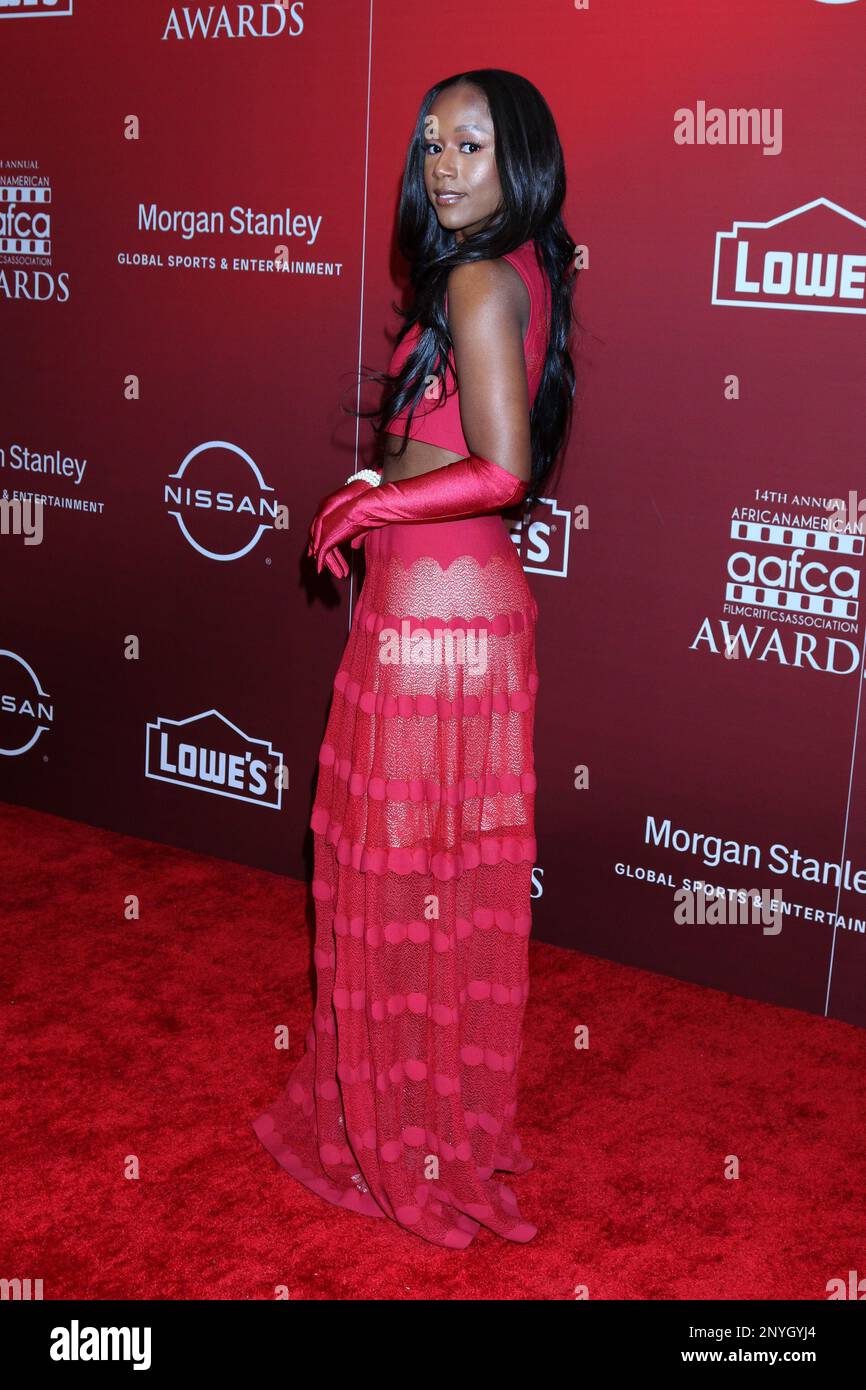
Why designers love it comes down to versatility: the fabric works in both casual and polished pieces, and it holds shape well enough for sharp silhouettes without being stiff. It is especially useful when a garment needs structure in the collar, cuff, waistband, or bodice but still needs ease at the bust, hips, or shoulders.
Main uses
In fashion, cotton poplin stretch is a dependable choice for pieces that need both form and function. The most common uses include dress shirts, blouses, tunics, shirt dresses, skirts, tailored trousers, lightweight jackets, and school or work uniforms.
- Button-down shirts and office blouses, where a crisp finish matters.
- Shirt dresses and tunics, where stretch improves comfort and mobility.
- Skirts and trousers, where the fabric supports shape while allowing sitting and walking ease.
- Children's garments, where durability and easy care are important.
- Sleepwear and loungewear, where breathability and softness matter most.
Outside apparel, cotton poplin stretch can work for linings, accessory projects, and light home-sewing applications where a smooth, stable woven cloth is helpful. However, it is generally favored more for clothing than for heavy-duty upholstery or outerwear because it is medium-light in weight rather than bulky or weatherproof.
Why it performs well
Comfort and breathability are major reasons this fabric is used so widely. Cotton fibers allow air flow, and the poplin weave creates a clean, even surface that feels smooth against skin, which is one reason the fabric is commonly recommended for warm-weather clothing and all-day wear.
Shape retention is another strength. Poplin's tight weave helps garments stay crisp, and the stretch content adds just enough recovery to reduce strain at seams and improve fit in close-cut designs. In practical sewing terms, that means shirts look polished, dresses skim the body neatly, and trousers keep a more refined line through repeated wear.
"A little stretch can change the wearing experience far more than the eye can see."
Easy care is also part of the appeal. Many suppliers describe cotton poplin stretch as relatively wrinkle-resistant and easy to iron, which makes it appealing for garments that need a fresh look with minimal maintenance. For that reason, it is frequently chosen for workwear, travel pieces, and everyday wardrobes that need to look presentable fast.
Use cases by category
| Category | Typical use | Why it fits | Best design outcome |
|---|---|---|---|
| Workwear | Shirts, blouses, uniforms | Crisp appearance and added ease | Neat, professional silhouette |
| Everyday fashion | Dresses, skirts, tops | Breathable and comfortable | Polished but wearable pieces |
| Children's clothing | Dresses, shirts, rompers | Soft, durable, easy to wash | Practical garments for active use |
| Sleepwear | Pajamas, nightgowns | Lightweight and airy | Comfort in warmer conditions |
| Light tailoring | Trousers, shirt dresses, jackets | Structure with flexibility | Clean lines without stiffness |
Common garment benefits
For shirts and blouses, the fabric gives a refined finish that reads as professional or elevated casual. Designers use it when they want collars to sit cleanly, seams to remain tidy, and the overall garment to keep a smart shape across the day.
For dresses and skirts, stretch poplin is useful because it can support flared, A-line, shirt-dress, and midi silhouettes while still allowing comfortable movement. That combination matters in garments that need to skim rather than cling, especially in warmer seasons or in settings where the wearer is active.
For trousers and skirts, a small amount of stretch helps with mobility at the waist, hips, and knees, which reduces the feeling of tightness that can happen in non-stretch woven cotton. The result is a more forgiving fit without losing the crispness that makes poplin attractive in tailored pieces.
Design and production notes
In garment development, cotton poplin stretch is often selected when a pattern requires a balance of clean drape and physical comfort. It is useful in pieces with darts, yokes, cuffs, and plackets because the fabric supports detail while still tolerating small fit adjustments better than a rigid woven cloth.
- Choose it for garments that need a polished look with some movement.
- Use it when the fit is close to the body but should not feel stiff.
- Prioritize it for breathable items intended for long wear or warm weather.
- Avoid relying on it for heavy structure, weather resistance, or high-abrasion uses.
Fabric weight can vary by manufacturer, and that variation changes how the fabric behaves in sewing and wear. Lighter versions suit blouses and summer dresses, while slightly heavier versions can support more tailored garments such as shirtdresses, slim trousers, and uniform pieces.
Practical pros and cons
Stretch poplin offers a strong mix of comfort, polish, and usability, but it is not perfect for every project. The biggest advantage is that it makes a woven fabric feel more wearable while keeping the crisp look that people expect from poplin.
The main limitation is that it still behaves like a woven fabric, so it will not drape or recover like a knit. That means it is less suitable for ultra-fluid silhouettes, performance sportswear, or highly textured designs that need substantial elasticity.
When to choose it
Choose cotton poplin stretch when the brief calls for a fabric that looks clean, feels breathable, and offers a little forgiveness in fit. It is a strong option for designers, home sewers, and buyers who want garments that can move from office to weekend without losing their shape.
In practice, that makes it one of the most useful woven fabrics for versatile wear, especially in wardrobes built around shirts, dresses, skirts, and uniforms. If the goal is everyday polish with less restriction than standard poplin, the stretch version is usually the better pick.
Everything you need to know about Cotton Poplin Stretch Uses You Never Knew Existed
Is cotton poplin stretch good for summer?
Yes, it is often a good summer fabric because cotton is breathable and poplin's weave stays smooth and lightweight enough for warm-weather garments. It is especially useful for shirts, blouses, and dresses where airflow and comfort matter.
Does it wrinkle easily?
It usually wrinkles less than many plain cotton fabrics, and many suppliers describe it as relatively easy to iron. It is not completely wrinkle-free, but it generally gives a neater appearance than softer, looser wovens.
What clothing is it best for?
It is best for structured everyday clothing such as button-down shirts, blouses, shirt dresses, skirts, trousers, and children's apparel. Those categories benefit most from the fabric's combination of crispness, breathability, and light stretch.
Is it suitable for beginners?
Yes, it is often beginner-friendly because it is stable, easy to press, and forgiving enough for many garment projects. Beginners usually find it easier to manage than slippery or highly elastic fabrics, especially when making shirts or simple dresses.