Propane Vs Butane Efficiency In Freezing Temps-Winner?
- 01. Why cold matters for gas performance
- 02. Key physical differences
- 03. Empirical performance scenarios
- 04. Illustrative data table
- 05. Practical guidance and tips
- 06. Quantified comparisons and statistics
- 07. Costs, availability, and logistics
- 08. Historical and regulatory context
- 09. Common failure modes in freezing conditions
- 10. Safety considerations
- 11. Quick decision checklist
Short answer: Propane is far more efficient and reliable than butane in freezing temperatures because propane's boiling point (~-42°C) lets it vaporize and maintain pressure well below 0°C, while butane's boiling/evaporation point (≈0 to -2°C) causes severe vaporization loss and large drops in usable pressure as temperatures approach and fall below freezing. Practical users should choose propane (or propane-rich blends) for exposed cold work, and reserve butane for warm-weather, lightweight applications.
Why cold matters for gas performance
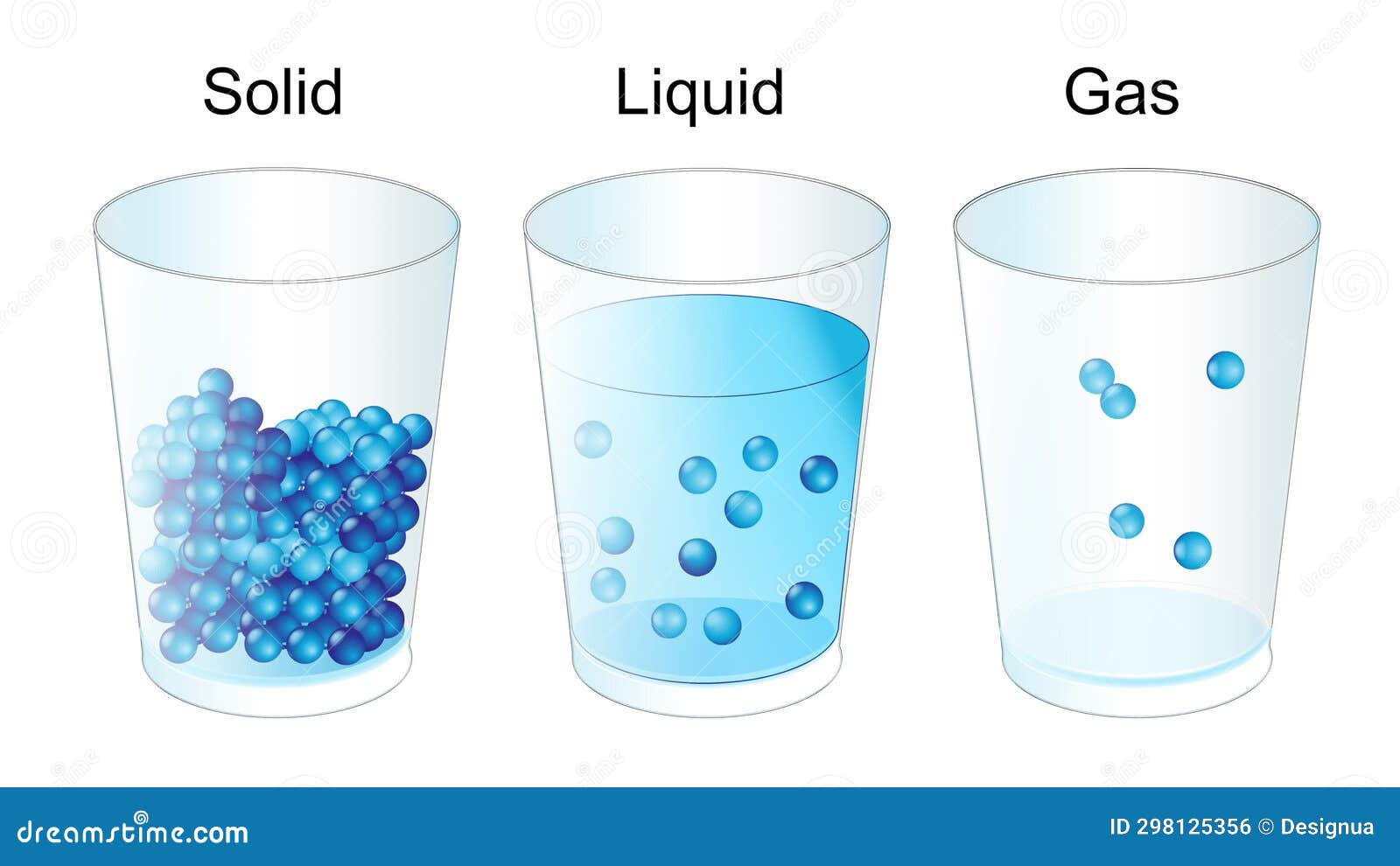
Gas appliances rely on liquid fuel vaporizing to form a combustion mixture; when the ambient temperature falls below a fuel's boiling/evaporation point, vapor pressure collapses and output drops sharply for the same appliance design. Vapor pressure is the direct determinant of flame size, heat output, and appliance stability in freezing conditions.
Key physical differences
- Boiling point: Propane ≈ -42°C (-44°F), Butane ≈ 0 to -2°C (≈32 to 28°F).
- Energy density: Both deliver similar energy per mass (roughly 21,500-21,600 BTU/lb), so energy/kg is not the main factor in cold differences.
- Storage pressure: Propane requires higher storage pressure; that makes pure-propane lightweight consumer canisters less common, so blends or larger cylinders are typical.
- Blend behavior: Common LPG blends (e.g., 80/20 butane/propane or 70/30) improve low-temperature performance but can still fall short of pure-propane reliability if propane content is low.
Empirical performance scenarios
Field tests and manufacturer guidance consistently show propane sustaining flame and heat at sub-zero conditions where butane fails; practical stove and heater performance typically falls off quickly for butane at temperatures near 0°C. Real-world testing from mountaineering and touring sources (2024-2025) confirms this pattern and recommends propane for winter use.
Illustrative data table
| Metric | Propane (pure) | Butane (pure) | 80/20 blend |
|---|---|---|---|
| Approx. boiling point | -42°C | -1°C | ≈-10°C (depends on mix) |
| Usable down to | -30 to -40°C (typical) | ≈0 to -5°C (often unusable below 0°C) | ≈-5 to -15°C |
| Typical pressure drop at -10°C | ~10-20% | ~>70% (near zero output) | ~30-50% |
| Best use case | Year-round, winter camping, heating | Warm-weather camping, indoor use | Transitional seasons, mild cold |
Practical guidance and tips
- Choose propane or a high-propane blend for any trip, job, or appliance expected to see temperatures at or below freezing; propane maintains stable pressure and flame. Field selection minimizes appliance failures in the cold.
- If you must use butane canisters in borderline conditions, keep cylinders warm (body heat, insulated containers) and avoid drawing large continuous outputs that induce cartridge cooling. Warm storage can temporarily delay vapor pressure loss.
- For prolonged or extreme cold (alpine, arctic), use dedicated liquid-fuel stoves (white gas / kerosene) or full-size propane cylinders with appropriate regulators rather than small cartridge butane canisters. Extreme cold solutions are used by mountaineers for consistent melting and cooking.
Quantified comparisons and statistics
Manufacturers and independent tests from 2024-2025 report that stove output from butane cartridges can drop by more than 50% as cartridge internal pressure falls near freezing, while propane systems typically retain >80% of rated output at -20°C. Performance loss numbers vary by device and ambient conditions but follow the same direction across sources.
Costs, availability, and logistics
Pure-propane cylinders tend to be cheaper per usable BTU in cold climates due to reliability and lower waste from unusable liquid fuel; blended cartridges are a compromise but may not perform throughout a full cold-season. Supply logistics matter: in many European markets, butane (blue canisters) is common for home and summer use while propane (red cylinders) is sold for outdoor and winter use.
Historical and regulatory context
Historically, LPG distribution evolved to match regional climate: northern and high-altitude markets favored propane for winter resilience, while temperate and indoor markets favored butane for cost and storage characteristics; LPG regulation and cylinder standards were updated across Europe in the 1990s-2010s to reflect safety and seasonal usage patterns. Historical adoption of blends (e.g., 80/20) rose as portable cartridge demand increased in the 2000s to combine portability with improved cold tolerance.
Common failure modes in freezing conditions
- Vapor starvation: Liquid fuel remains in the cylinder and cannot vaporize, causing flame dropouts or extinguishing.
- Thermal cooling of cartridge: Rapid vaporization cools the canister further, accelerating the drop in pressure (self-reinforcing failure).
- Regulator freeze: Moisture and extreme cold can affect regulators and seals, independent of fuel chemistry; propane's margin reduces this risk but does not eliminate it.
Safety considerations
Never attempt to heat a gas cylinder directly with a naked flame to improve vaporization-this is extremely dangerous and violates safety guidance from suppliers and standards organizations. Safe warming practices include insulated wraps, keeping cylinders in sheltered, warmer locations, and using appropriate regulators rated for the cylinder and temperature range.
"Butane stops vaporising at around -2°C; propane continues at -45°C," - winter touring guidance published December 1, 2025, advising propane for cold touring in northern Europe.
Quick decision checklist
- Expect sub-zero temps? Pick propane or a high-propane blend. Decision rule minimizes failure risk.
- Need lightweight summer gear only? Butane cartridge may be appropriate. Summer use optimizes weight and cost.
- Operating in extreme cold for extended periods? Use liquid fuels or full-size propane cylinders with cold-rated regulators. Extreme operations require robust fuel systems.
Helpful tips and tricks for Propane Vs Butane Efficiency In Freezing Temperatures
Which gas works below freezing?
Propane works reliably well below freezing (typical usable range down to -30°C or lower in practice), while butane becomes unreliable at or below ≈0°C and is generally unsuitable for sustained freezing conditions unless specifically heated or blended with substantial propane content.
Can a propane-butane blend solve cold problems?
Partial blends improve low-temperature performance proportionally to propane content; common retail blends (70/30 or 80/20) extend usability into mild sub-zero but generally do not match pure-propane performance in severe cold-blends can still show pressure loss as temperature falls.
Is energy output per kilogram different between them?
Energy per mass is similar-both are roughly 21,500-21,600 BTU per pound-so raw calorific energy is comparable; operational efficiency differences in cold arise from vaporization/pressure behavior rather than gross energy density.
How should I choose for camping vs home heating?
For winter camping, alpine touring, or any exposed use below freezing choose propane or high-propane blends and carry spares; for indoor or summer-only portable use butane is acceptable and often lighter/cheaper but not recommended when freezing is possible.
Are there documented field quotes or dates supporting this?
"Propane vaporizes at far lower temperatures than butane, making it the obvious choice for winter use," noted a mountaineering stove review summary published March 1, 2025, which compared cartridge behaviors and recommended liquid fuels for extended winter trips.
Final practical tip?
Always test your specific appliance and cylinder combination in the cold if possible before relying on it in a critical field situation; simulated bench testing near the expected minimum temperature is the most reliable predictor of in-field behavior. Pre-testing avoids surprises and is standard practice among professional cold-weather operators.